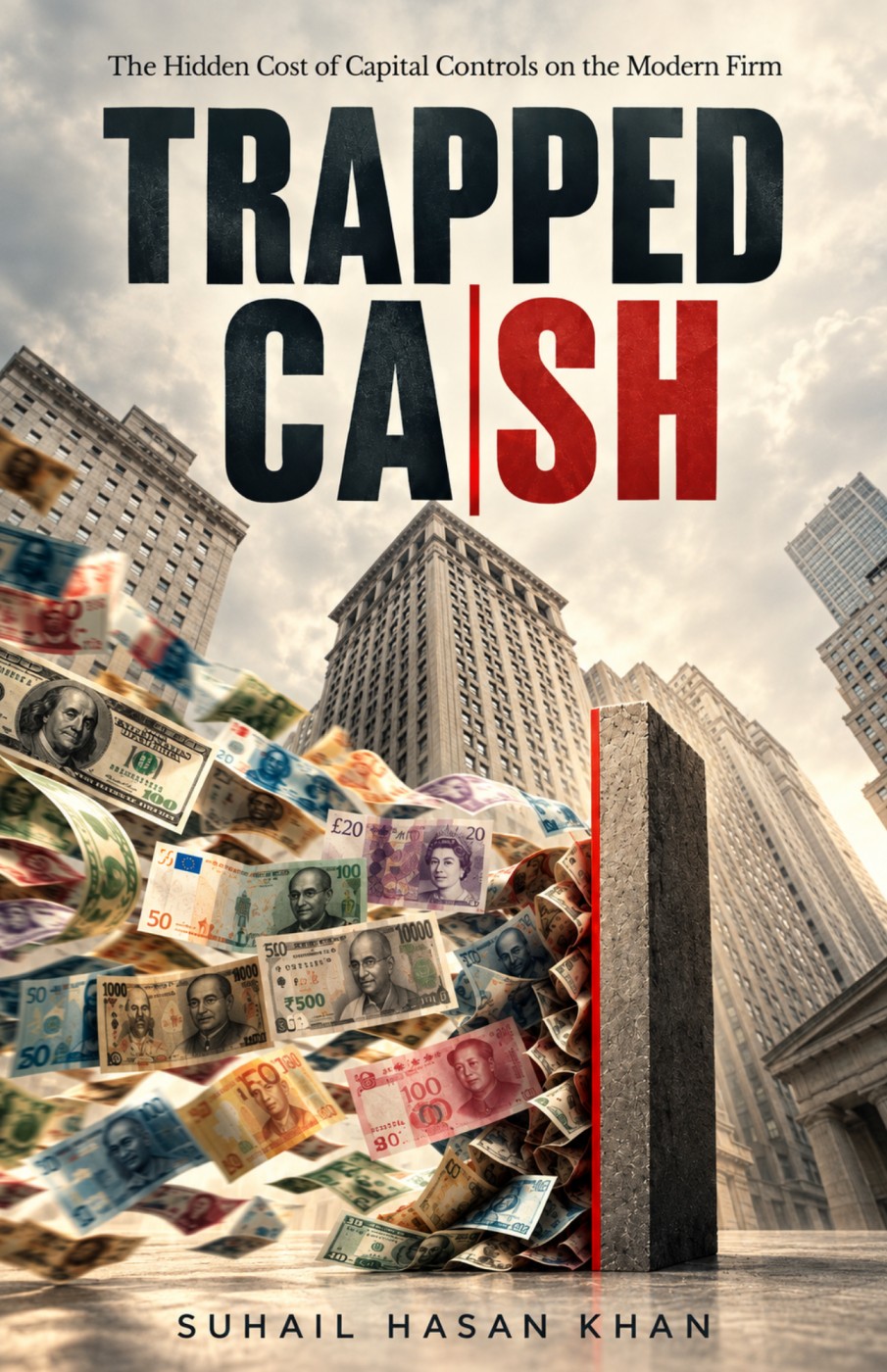
Trapped Cash | The Money You Own but Cannot Use | Capital Controls, Corporate Liquidity & Cross-Border Finance | Corporate Finance
StoryMirror
| Seller | Price | |
|---|---|---|
| StoryMirror Best price | ₹349 | |
| Amazon | Price not available | |
| Flipkart | Price not available |
About the Book
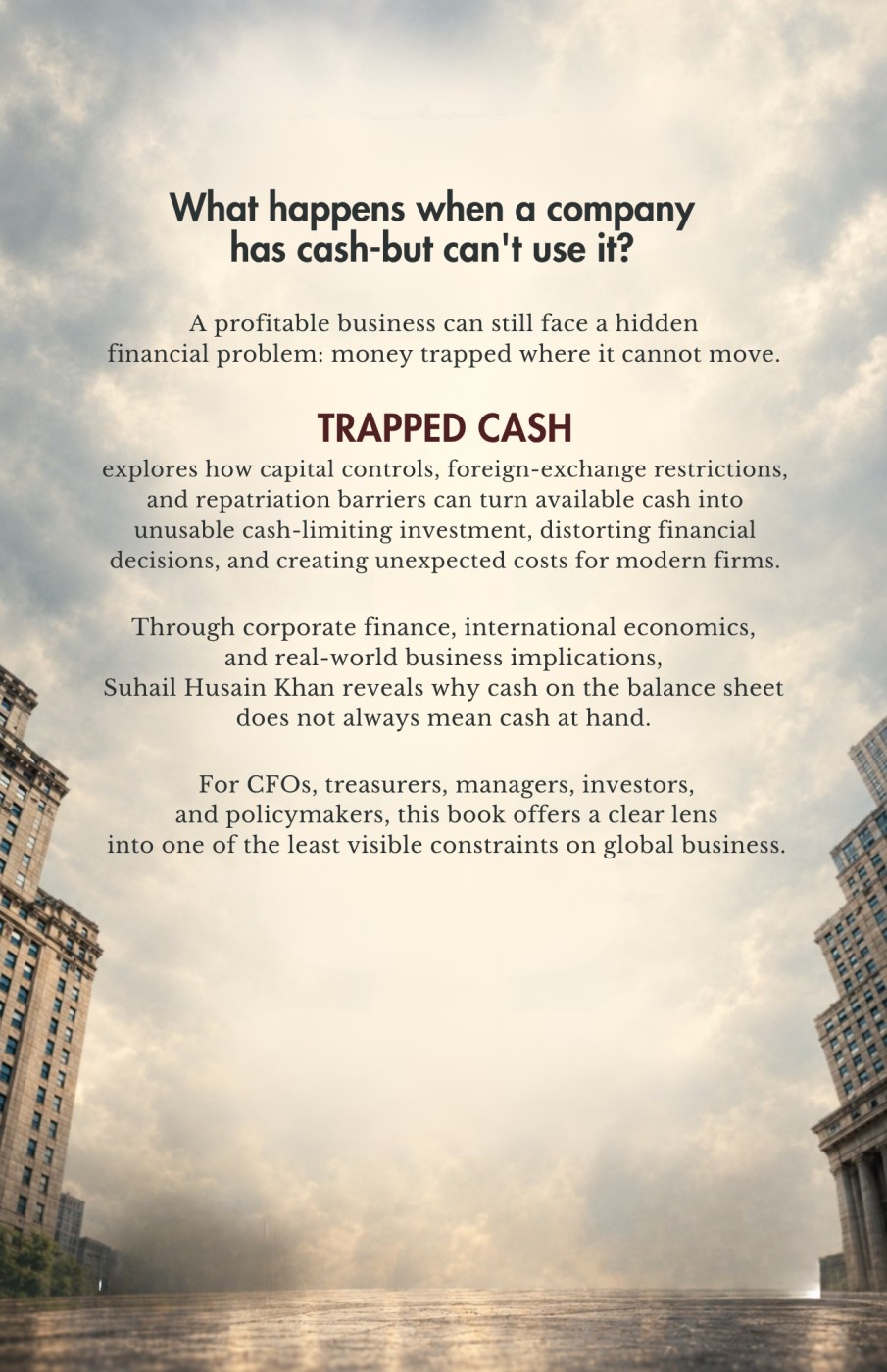
What if a company has the money—but still cannot use it where it needs it?
Cash is usually considered a company’s most flexible asset. But what happens when that cash is sitting in another country, subject to capital controls, foreign-exchange restrictions, repatriation rules or regulatory approvals?
Trapped Cash explores the financial problem that emerges when money exists on a company’s balance sheet but cannot move freely across borders. The book examines how this gap between reported cash and usable liquidity can influence cash holdings, investment decisions, financing choices and the internal allocation of capital.
Moving from the foundations of capital controls to theory, institutional frameworks and empirical evidence, the book examines how firms respond when their money becomes difficult to move. It connects macroeconomic policy with the decisions made inside companies, bringing together corporate finance, foreign exchange, regulation and treasury management.
The research examines firms across different policy environments and considers evidence from countries including China, India, Argentina and Brazil. It also looks at why multinational companies can sometimes manage these restrictions differently from domestic firms, and what happens when restrictions become more severe.
Inside the book, readers will discover:
- Why reported cash and genuinely usable liquidity can be very different
- How capital controls and foreign-exchange restrictions can create firm-level financing constraints
- Why companies may hold more local cash when money is difficult to move
- How restrictions can influence investment decisions and capital allocation
- Practical frameworks such as the Trapped Cash Ratio and liquidity-tiering approach for understanding accessible versus restricted cash
For finance professionals, business leaders, policymakers, investors and students, Trapped Cash offers a firm-level perspective on a subject usually discussed at the macroeconomic level: what happens inside a business when national borders become financial barriers.
About the Author
Suhail Hasan Khan is a graduate finance student whose work on Trapped Cash developed from independent research into the financial, operational and strategic consequences of capital controls. His research brings together corporate finance, international finance, foreign exchange, regulation and macroeconomic policy. The book was shaped by discussions with finance professionals, treasurers, corporate bankers, professors and mentors, alongside research and financial data from published sources.